

When AI Becomes the Manager: Why Human Discretion Is the Real Productivity Multiplier
- Brian A. Wilson

- Jan 19
- 3 min read
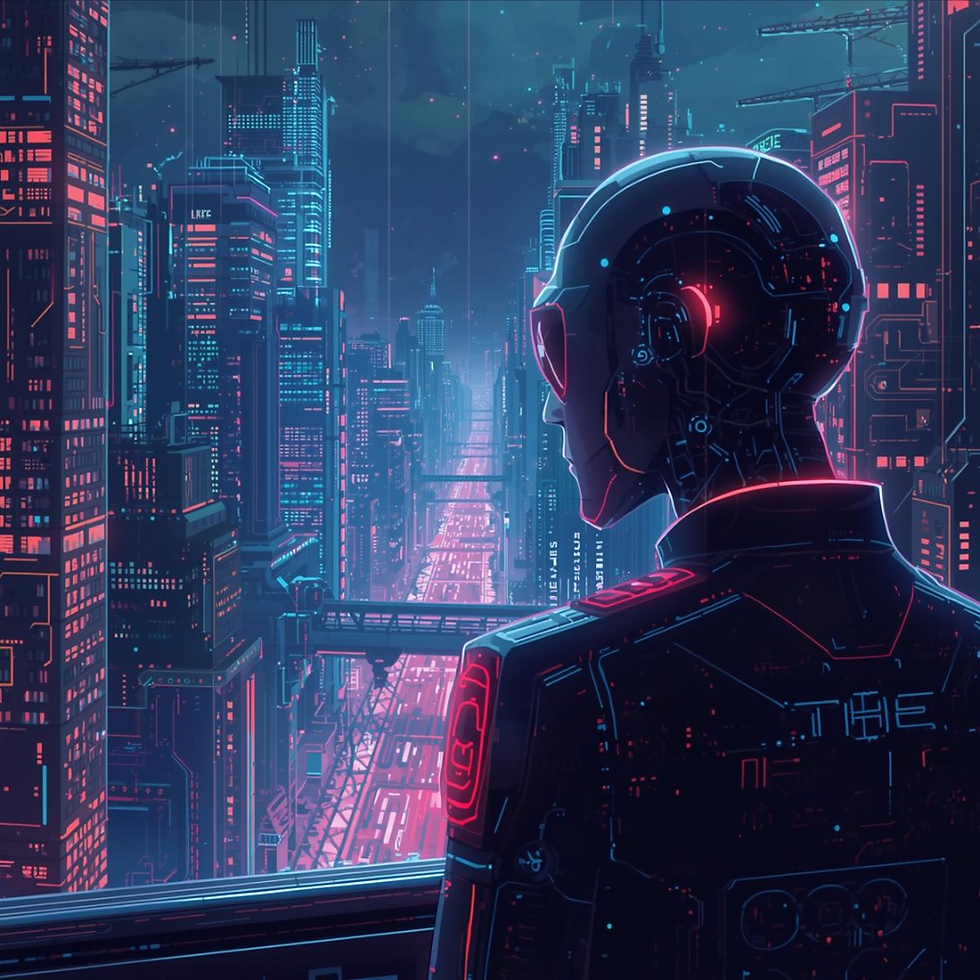
AI is no longer just a tool.
In many sales, support, and operations environments, it has quietly become a supervisor.
Dashboards track activity down to the minute.
Platforms flag “underperformance” automatically.
Digital supervisors send nudges, warnings, and performance scores—constantly.
And while AI has undeniably helped organizations scale, optimize, and surface insights, there’s a growing blind spot that leaders can no longer ignore:
Productivity without discretion eventually destroys morale.
The Promise (and Risk) of AI Supervision
AI excels at:
Pattern recognition
Consistency
Speed
Eliminating bias in theory
Scaling oversight across large teams
But AI also lacks:
Context
Empathy
Nuance
Judgment
Human timing
That’s not a flaw. That’s simply reality.
The problem begins when organizations confuse measurement with management.
The Data Is Clear: Micromanagement Burns People Out
According to research from Gallup, employees who feel overly monitored or micromanaged are:
2.3× more likely to report burnout
Less engaged, even when performance targets are met
More likely to disengage quietly (presenteeism instead of productivity)
In sales and customer service—already high-pressure environments—this effect compounds.
Now add AI.
Instead of one manager watching dashboards, reps experience:
Human supervisors enforcing KPIs
Digital supervisors enforcing them 24/7
Automated alerts that don’t differentiate effort from outcome
Performance scores that ignore complexity, deal cycles, or customer nuance
That’s not efficiency.
That’s pressure without relief.
The Double Micromanagement Effect
Historically, burnout in sales and support has been driven by:
Call quotas
Talk-time metrics
Conversion ratios
Pipeline velocity expectations
Those pressures used to come from people.
Now they come from:
AI productivity tools
CRM “health scores”
Automated coaching nudges
Real-time activity tracking
And the rep experiences all of it simultaneously.
When humans micromanage and AI micromanages, people don’t feel optimized — they feel watched.
Why This Backfires on Productivity
Ironically, hyper-rigid AI supervision often produces the opposite of its intended outcome.
Data from Microsoft’s Work Trend Index shows that:
Employees under constant digital monitoring are more likely to game metrics
Creativity and discretionary effort decline
Workers prioritize “looking productive” over being effective
In sales, this looks like:
Logging activity instead of building relationships
Rushing calls to hit volume targets
Avoiding complex deals that don’t fit clean metrics
Burnout masked as compliance
The system gets its numbers.
The business loses its people.
Discretion Is the Missing Layer
AI should inform judgment, not replace it.
The highest-performing organizations treat AI as:
A signal, not a verdict
A conversation starter, not a disciplinary tool
A lens, not a leash
Discretion is what allows leaders to ask:
Is this rep underperforming, or navigating a harder territory?
Is this AE slower, or working a larger, longer-cycle deal?
Is this dip temporary, or structural?
AI can show what is happening.
Only humans can decide what it means.
A Message to SDRs, AEs, and Frontline Reps
If you’re feeling:
Constantly monitored
Reduced to metrics
Pressured by dashboards instead of supported by leaders
You’re not imagining it.
Your value is not your activity count.
Your worth is not a scorecard.
And sustainable performance has always required trust.
The best leaders don’t hide behind tools.
They use them to advocate for their people.
A Challenge to Managers, Directors, and Leaders
AI does not absolve leadership responsibility.
It raises the bar.
Great leaders:
Override rigid AI conclusions when context demands it
Use data to coach, not control
Protect reps from unnecessary noise
Balance accountability with humanity
The question isn’t “What does the system say?”
The question is “What’s the right decision here?”
Because culture is built not by tools—but by judgment.
The Real Competitive Advantage
In a world where everyone has access to the same AI platforms, the differentiator won’t be technology.
It will be discretion.
The organizations that win will be those that:
Let AI scale insight
Let humans scale wisdom
And remember that productivity without morale is a short-term illusion
AI can supervise tasks.
Only humans can lead people.


Comments